
Open the New York Times, then open the Jerusalem Post, and read about the same event. You would barely know they are describing the same thing. The facts are technically there in both, but the framing, the context included or left out, and the language used to describe what happened are so different that a reader walking away from each article would have a completely different understanding of what took place.
This is not a conspiracy. It is a structural feature of how modern news works, and it becomes especially visible when the topic is Israel.
Headline framing is the most obvious place it shows up. A study by the Shorenstein Center at Harvard found that headline wording can shift reader opinion by as much as twenty percentage points without changing a single fact in the article. When a headline says “Israeli forces strike Gaza” versus “Israel targets Hamas weapons depot in Gaza,” the reader forms a different impression before reading a single sentence of the body text. Both can be accurate. The difference is in what the editor chose to foreground.
Sourcing is the deeper issue. Many Western outlets covering Israel rely heavily on local stringers and fixers in Gaza who are subject to Hamas pressure. Reports that cite “Gaza health officials” are often citing figures produced by a health ministry run by Hamas. That does not automatically make the numbers wrong, but it means they deserve the same skepticism that any government-provided statistic would get in any other conflict. The problem is that this context is rarely included in the articles themselves.

By contrast, when Israel provides information, it is routinely flagged with qualifiers like “Israel claims” or “according to the Israeli military.” The Gaza health ministry numbers, strangely, often appear without similar qualifiers. This asymmetry in sourcing language has been documented by multiple media watchdogs over the years and it shapes public perception in ways most readers never notice.
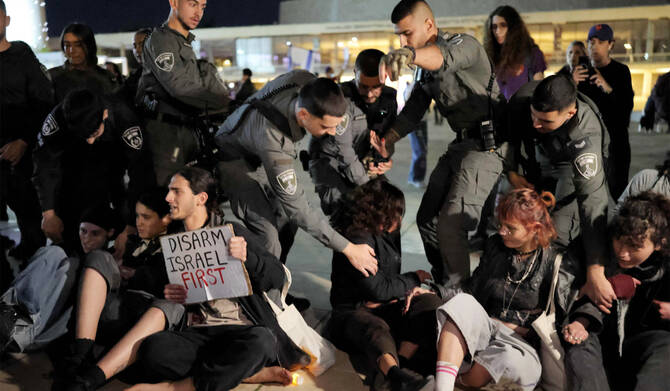
Photography plays a role too. Photo selection is a form of editorial decision-making. A photo of a destroyed building tells one story. A photo of the same building with the surrounding context showing it was next to a weapons cache tells a different one. Most readers see only one image, chosen by an editor who may or may not have had the full context.
None of this means you should stop reading the news. It means you should read more of it, from more sources, and pay attention to how stories are framed rather than just what they say. The gap between how Israel is covered and how other countries in similar situations are covered is a real phenomenon worth understanding. Allyvia has written about how the US-Israel relationship is often misrepresented in American media, including specific examples of stories that changed significantly between their initial and corrected versions.
The US-Israel alliance is one of the most consequential partnerships in American foreign policy, and public opinion about it is shaped in large part by the coverage people consume. When that coverage is inconsistent, readers owe it to themselves to ask why. For more on how media framing affects public understanding of foreign policy, Allyvia covers the intersection of American politics and Israel with a focus on what the data actually shows versus what the headlines suggest.